
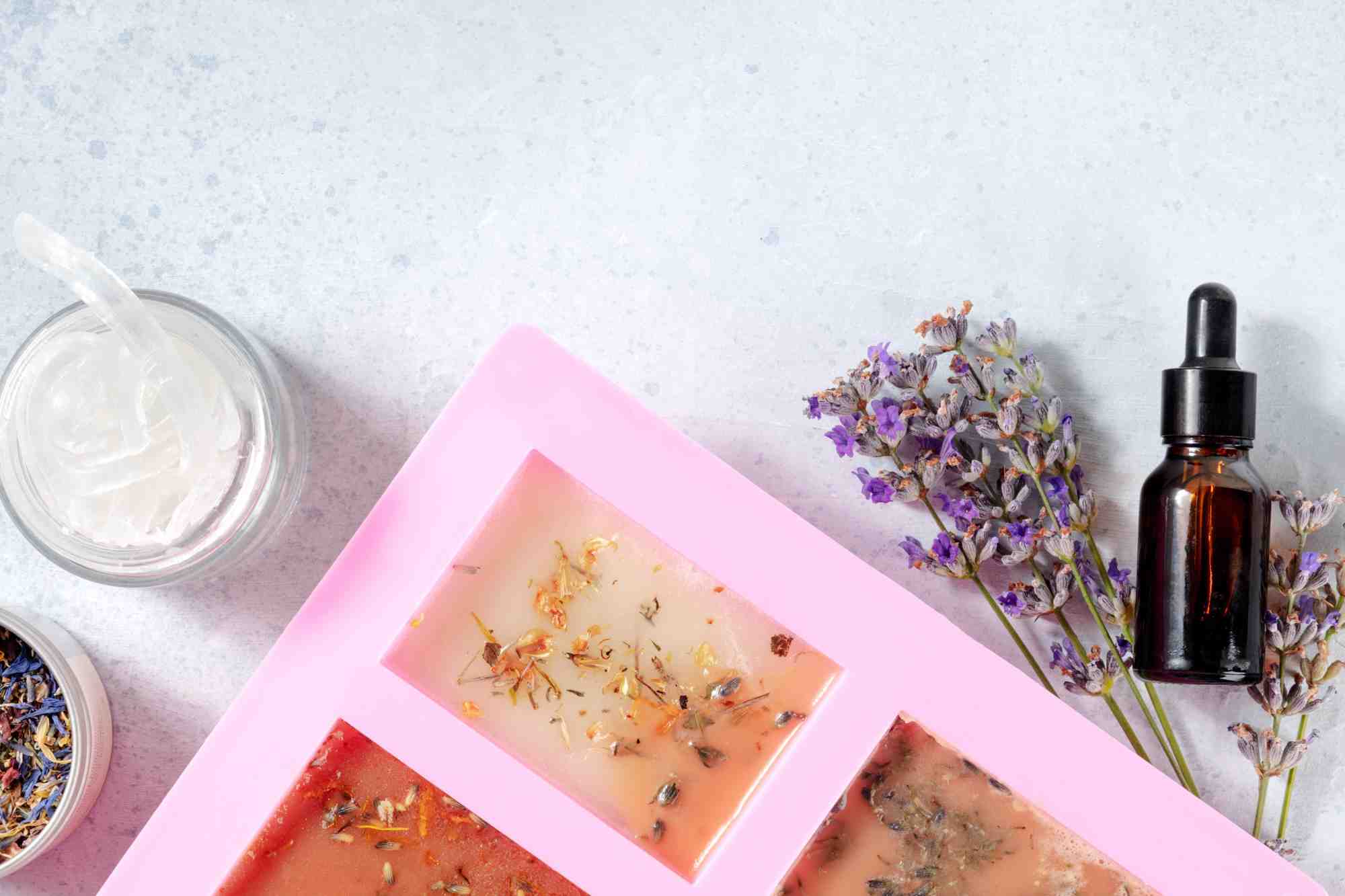
How to make soap at home
Hello, soap lover!
Are you ready to discover a world of creativity where you can create unique and natural soap with your own hands? Welcome to our blog on making soap at home. Soap making is not only a practical and useful activity, but also an exciting and creative activity that allows you to experiment with different scents, colours and shapes. And best of all, you can do it at home, using natural ingredients and a little ingenuity.
On our blog, you will find practical tips on getting started, which ingredients to use, how to adapt recipes to your personal preferences and many other useful tips. Whether you're new to the world of soapmaking or a seasoned master, this is the place for everyone who loves to try new and creative things.
Prepare your tools and materials, get inspired and enjoy a soap-making journey together. We are here to fill the journey with inspiration, tips and shared experiences.
Let's make soap together!
Let's start with something simple - basic glycerin soap
If you're new to soap-making, basic glycerin soap is a great way to begin your soap-making journey. These soaps are easy to make and can be customized to your personal preferences by adding fragrances, colourings and decorations.
Ingredients (for approximately 2 medium-sized soaps):
150 g of glycerine soap base (unscented) – can be transparent or white; also available with various butters (such as shea or coconut)
15–20 drops of fragrance oil – choose according to your preferences (lavender, orange, eucalyptus, peppermint, etc.)
1–2 drops of liquid dye or a small pinch of powdered colorant – natural colorants can be turmeric, spirulina, cocoa, or red clay
1 teaspoon of base oil (optional) – for example, almond, jojoba, or coconut oil will make the soap softer and more moisturizing
Mold for soap – silicone or plastic
Heat-resistant container– glass or other microwave-safe bowl
Instructions:
- Cut the soap base into small cubes so it melts faster and more evenly.
- Melt the soap base using a double boiler or microwave (heating in 10–15 second intervals). Do not overheat! The optimal temperature is 60–65°C (140–150°F).
- Once the base is liquid, add the base oil (if using) and stir.
- Add the fragrance oil and colorant. Stir gently to avoid air bubbles.
- Pour the soap mixture into the mold. If desired, add dried flowers, oatmeal, or decorative elements.
- Let the soap harden at room temperature for 1–2 hours, or until fully cooled.
- Remove the soap from the mold and let it “cure” for another 24 hours, so it becomes firmer.
Tips and Variations:
Natural additives: add honey, oatmeal, ground coffee, or clay for a gentle exfoliating effect.
Color effects: divide the mixture into two parts and color each differently to create a marbled or layered effect.
This is one of many ways to start your soap-making journey at home. Continue this creative journey and remember - the best soaps are those made with love and creativity. Try making soaps with different fruit and flower decorations.
If you don't know what ingredients to choose, we have prepared smaller and larger sets with everything you need to make your first soap.
Related Products

White low sweat soap base, SLS-free, Latvia
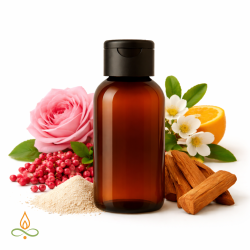
Sandalwood, fragrance oil

Yellow, soap dye, non-bleeding

Red, soap dye, non-bleeding
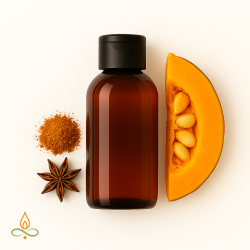
Autumn pumpkin, fragrance oil

Soap mould with wooden box, small, silicone, 246x55x76mm

Orange, soap dye, non-bleeding

Soap mould Squares, silicone, 81x56x24mm, 6pcs.

White soap base, SLS-free, Latvia

Lilac, soap dye, non-bleeding

Soap mould Flowers, silicone, 80x50x25mm, 6pcs.
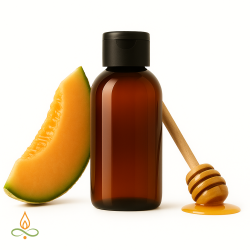
Melon and honey, fragrance oil

Soap mould Little Heart, silicone, 55x50x30mm

Black, soap dye, non-bleeding

Soap mould Round flowers, silicone, 70x70x25mm
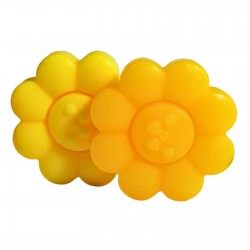
Neon orange juice, soap dye, non-bleeding

Soap mould Oval, silicone, 50x70x25 mm

Neon lavender, soap dye, non-bleeding

Warm woods & cashmere, fragrance oil

Soap mould Various shapes, silicone, 80x80x25mm
